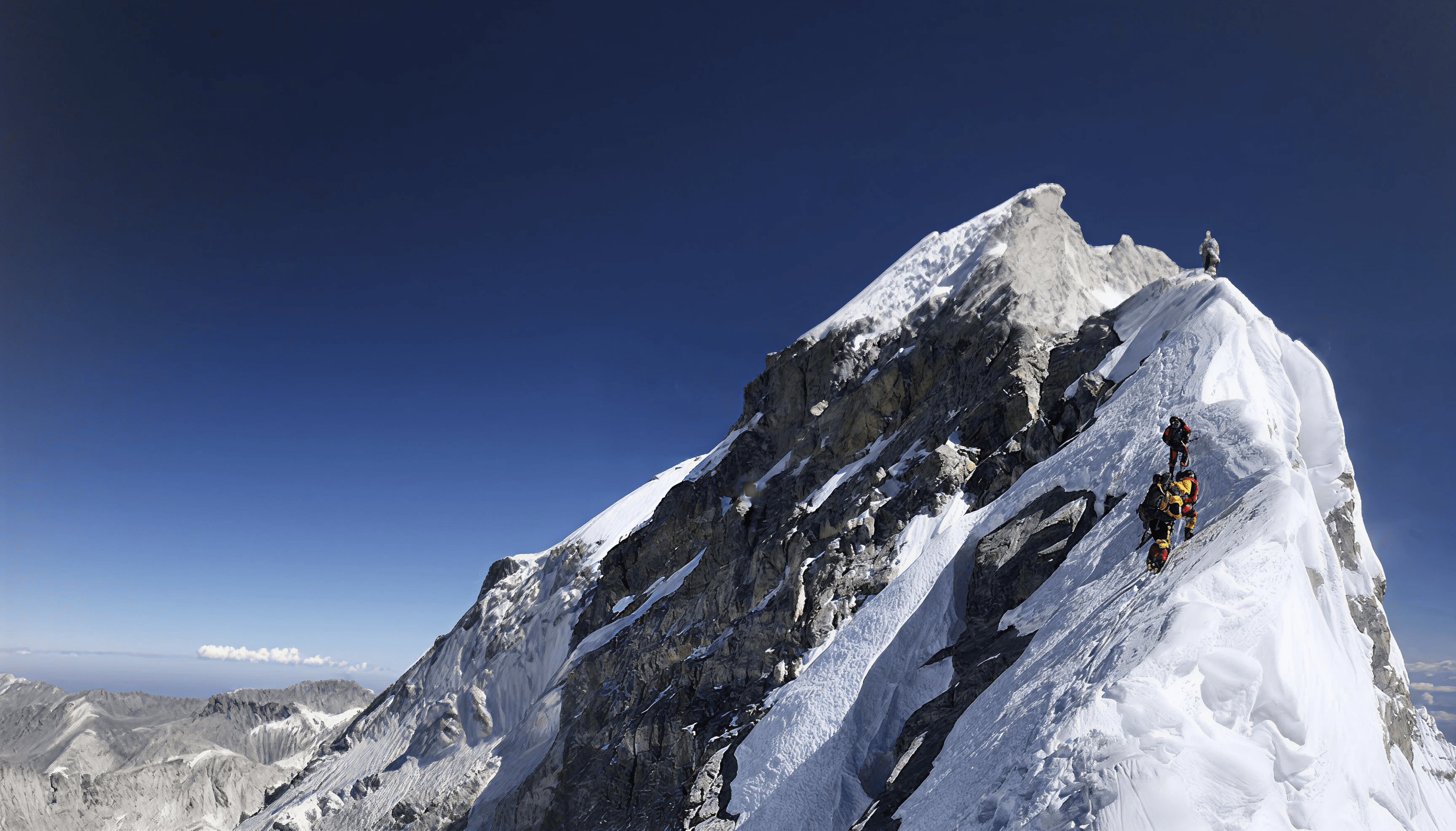
Baruntse
Expedition Guide
Planning a Baruntse Expedition requires more than comparing prices or fixed itineraries. This guide explains the mountain, route, altitude, technical difficulty, expedition duration, cost factors, permits, gear, safety risks, best season, and preparation needed before attempting Baruntse in Nepal.
Peak
Baruntse
Altitude
7,129 m / 23,389 ft
Region
Everest-Makalu, Nepal
Range
Mahalangur Himal
Typical duration
Around 31–33 days
Best seasons
Spring and autumn
Climb type
Technical 7,000m
An Information-First
Baruntse Resource
This website is built for climbers researching Baruntse before choosing any operator, package, or expedition plan. The goal is to help you understand the route, risks, required experience, expedition structure, cost factors, permits, gear, and safety planning needed for a 7,000m Himalayan climb.
What This Resource Helps You Understand
Whether Baruntse is suitable for your experience level
Why Baruntse is more serious than a trekking peak
How the Southeast Ridge is commonly approached
Why acclimatization, rotations, and contingency days matter
What affects Baruntse Expedition cost
What permits and documents may be required
What safety questions to ask before choosing an operator

Baruntse is a 7,000m Himalayan peak in eastern Nepal, located between the Everest and Makalu regions. It is often described as a beautiful, symmetrical mountain with multiple ridges and summits, and it is commonly climbed by the Southeast Ridge route. Several expedition operators describe Baruntse as a serious progression peak for climbers moving from 6,000m objectives toward bigger Himalayan expeditions.
Baruntse is not a beginner trekking peak. Climbers should expect glacier travel, fixed rope sections, crevasse exposure, high camps, cold conditions, and a multi-week expedition environment. It is better suited to climbers with previous high-altitude experience and basic mountaineering skills.
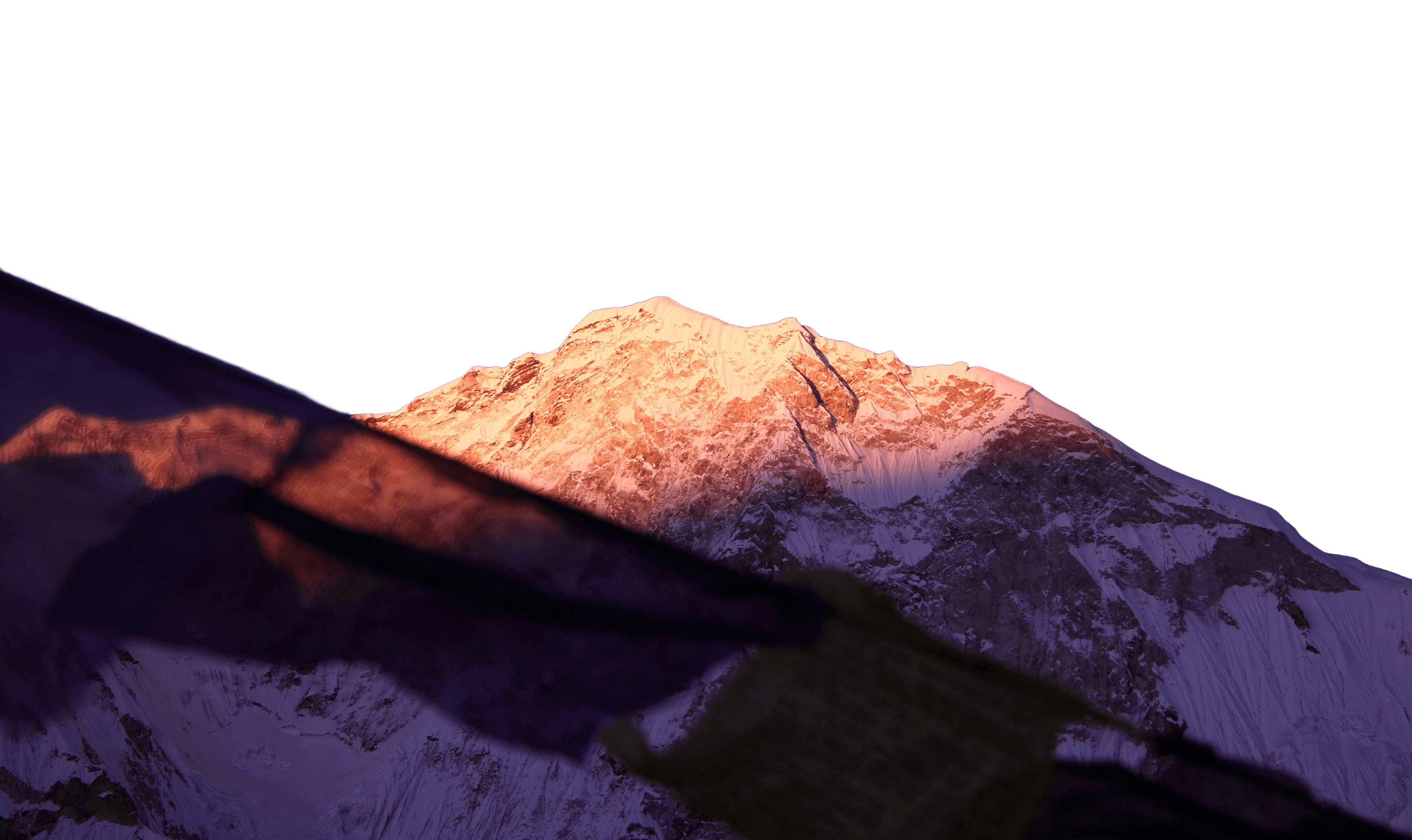
Baruntse Quick Facts


Baruntse's first ascent is widely credited to Colin Todd and Geoff Harrow on 30 May 1954, as part of a New Zealand expedition associated with Sir Edmund Hillary.
Why Climbers Choose Baruntse
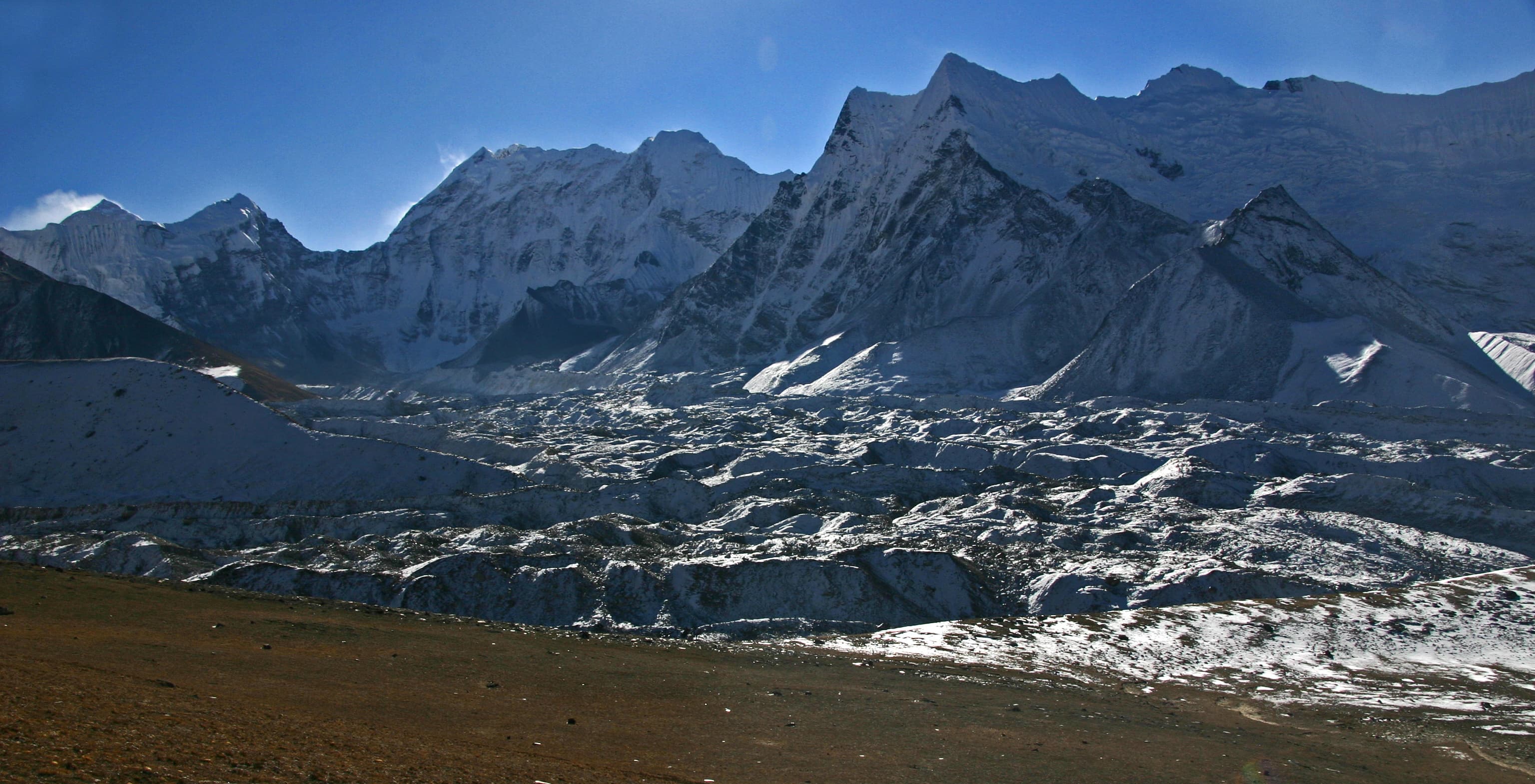
Climbers often choose Baruntse because it offers a serious Himalayan expedition experience below 8,000 meters. It can serve as a strong progression peak for mountaineers who already have 6,000m experience and want to understand expedition-style climbing, high camps, fixed rope systems, glacier travel, and longer summit planning.
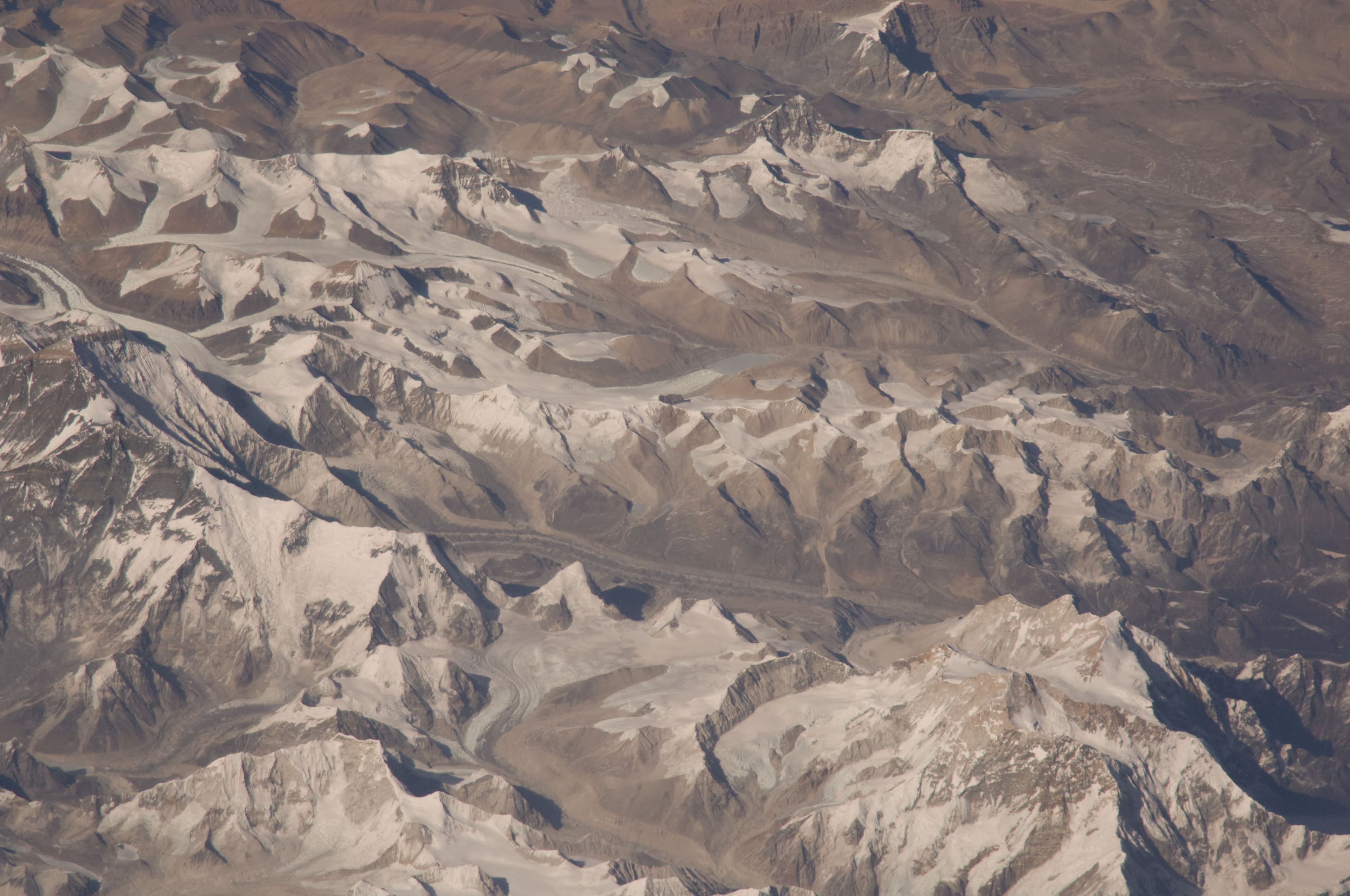
Baruntse is also valued for its remote setting between the Everest and Makalu regions. The expedition approach can pass through wild valleys, high passes, glacier terrain, and remote base camp environments. 8K Expeditions describes Baruntse as a useful transition from 6,000m climbs toward 8,000m objectives, while other operators highlight its remote location and expedition character.
Best For
- Climbers with previous 6,000m peak experience

- Mountaineers preparing for higher Himalayan objectives
- Climbers comfortable with glacier travel and fixed ropes
- Teams seeking a remote 7,000m expedition
- Climbers who want expedition base camp and high camp experience
Not ideal For
- First-time high-altitude trekkers
- Climbers with no mountaineering background
- Travelers with limited time
- People without proper high-altitude insurance
- Anyone expecting a simple trekking peak
Baruntse Route Overview
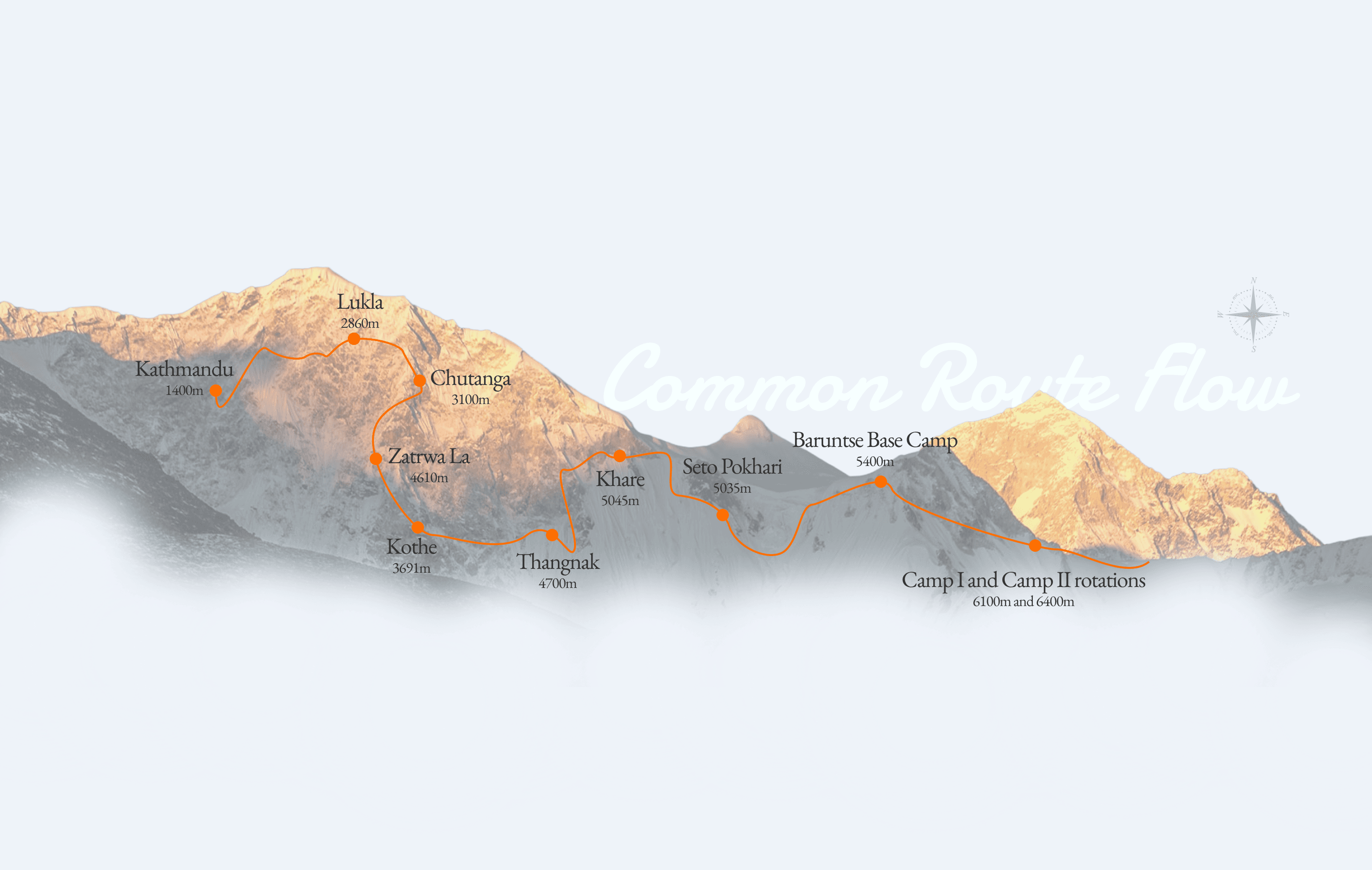
The most common route on Baruntse is the Southeast Ridge. Several operator pages describe the Southeast Ridge as the standard or popular route. The approach usually begins from Lukla and moves through the Hinku/Honku region toward Baruntse Base Camp, followed by rotations through higher camps before the summit attempt.
How Many Days Do You Need
for a Baruntse Expedition
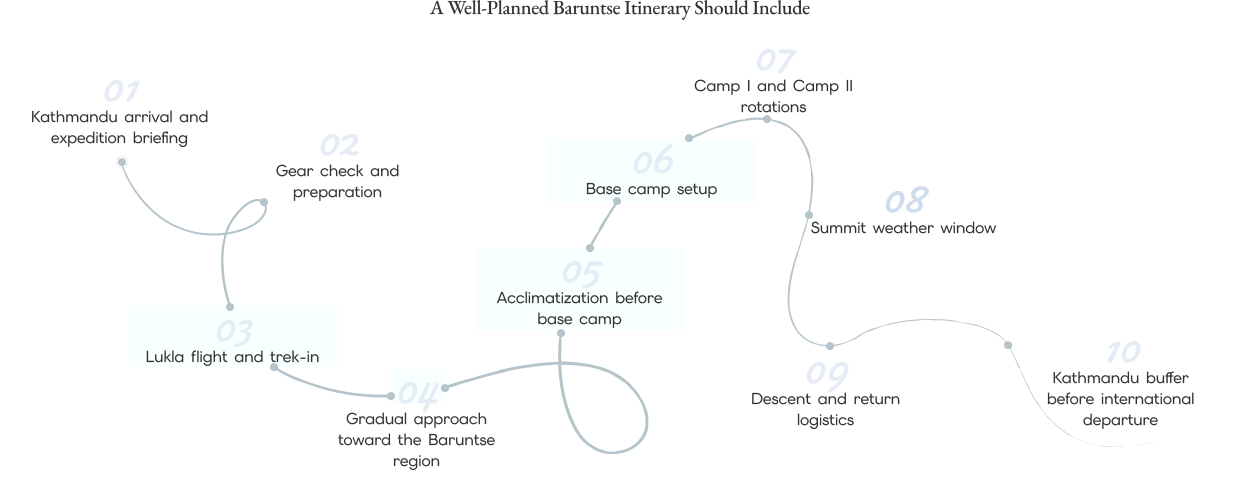
A complete Baruntse expedition typically takes 31 to 33 days from Kathmandu and back. This includes travel to and from base camp, acclimatisation rotations, a buffer for weather, and the summit attempt itself. Rushing any part of the schedule significantly increases risk.
Most operators plan for a minimum of 31 days. Adding two extra buffer days is strongly recommended — Himalayan weather is unpredictable and summit windows can close or shift by several days. Teams that arrive with tight schedules often end up abandoning the summit attempt.
How Difficult Is
Baruntse?

Baruntse (7,129m) sits in the AD+ to D range of alpine difficulty. It is technically more demanding than trekking peaks and straightforward 6,000m mountains, but less severe than the technical 8,000m routes. That said, it is still a serious high-altitude objective requiring solid mountaineering skills, prior 6,000m experience, and good acclimatisation.
The difficulty is not any single crux move — it is the combination of sustained altitude, glacier navigation, fixed ropes on the upper ridge, unpredictable weather, and the mental load of a 30+ day expedition. Underestimating any one of these factors is where most climbers run into trouble.
Main Difficulty Factors

Altitude above 7,000m

Glacier travel

Fixed rope sections

Camp rotations

Cold and wind exposure

Mental pressure

Long expedition duration

Crevasse zones

Ice and snow slopes

Weather windows

Summit-day endurance
Who May Find Baruntse Too Demanding?
Baruntse is not suitable for climbers without prior experience above 5,500m. Anyone who has not managed glacier travel with crampons and ice axe on a structured mountaineering course will find the technical sections above Camp I extremely challenging. It is also a poor choice for anyone with tight schedules who cannot absorb weather delays.
Baruntse Safety, Altitude and Objective Hazards
Safety on Baruntse depends on preparation, acclimatization, weather judgment, route conditions, team strength, guide support, and emergency planning. The mountain involves glacier travel, crevasse exposure, possible avalanche risk after fresh snowfall, cold conditions, high camps, and summit-day fatigue.
Some climbing descriptions warn of crevasses and avalanche danger after fresh snowfall, while other route descriptions mention steep ice sections and corniced ridge terrain. These conditions make Baruntse a climb where timing, team skill, and conservative judgment matter.
Important Note:
Baruntse should not be approached as a normal trek. Climbers should verify insurance coverage, emergency support, guide experience, weather planning, and evacuation procedures before committing.
Key Safety Considerations

Altitude sickness and acclimatization
Camp rotation planning
Glacier travel
Helicopter evacuation limitations
Avalanche exposure after snowfall
Crevasse awareness and rescue readiness
Team decision-making under summit pressure
Weather windows
Fixed rope movement
Emergency communication
High-altitude insurance
Baruntse Expedition Cost
What Affects the Price

Baruntse expedition costs vary because the climb requires expedition logistics, high-altitude support, permits, domestic flights, base camp setup, route support, emergency systems, staff, and a longer schedule than most trekking peaks. A lower price may not always mean better value if safety, insurance, staff support, communication, or contingency planning is weak.
Important Note:
Prices can change by season, route, group size, service level, permit fees, staff allocation, hotel category, logistics, and operator policy. Always verify what is included and excluded before choosing any expedition.
Main Cost Factors
Climbing permit
National park or conservation fees
Liaison and administrative arrangements where required
Kathmandu hotel nights
Domestic flights and cargo
Guide and Sherpa support
Base camp setup
Camp I and Camp II logistics
Tents, kitchen, dining, toilet, and communication systems
Fixed rope and route support
Staff insurance
Meals during trek and expedition
Weather forecasting
Emergency communication
Garbage or waste management responsibilities
Personal climbing gear
High-altitude insurance and evacuation coverage
Contingency days
8K Expeditions lists several expedition support elements that can affect pricing, such as permits, liaison officer support, summit route fixing, garbage management, staff insurance, base camp services, high camp service, walkie-talkies, satellite phone access, weather forecast, first aid support, and backup oxygen availability as chargeable support.
Baruntse Permits and
Documents
Baruntse requires expedition permits and documentation arranged through qualified operators. Unlike a basic trek, a 7,000m expedition may involve climbing permits, local or conservation area access, liaison arrangements, waste-management responsibilities, staff insurance, and detailed expedition logistics.
Common Document Areas
Baruntse climbing permit
Nepal visa
Passport validity
National park or conservation permits
Liaison officer arrangements where applicable
Garbage or waste-management compliance
Travel and rescue insurance
Emergency contact details
Operator paperwork and expedition briefing
Medical and evacuation information
Because permit rules, administrative requirements, and operator policies can change, climbers should verify details with official sources or a qualified expedition operator before travel.
Read the Baruntse Permit Guide
Baruntse Gear and Expedition Equipment
Baruntse requires expedition-level climbing equipment, not only trekking gear. Climbers should confirm what the operator provides and what must be brought personally. Gear should be tested before arrival because poor boot fit, weak gloves, unsuitable sleeping systems, or missing technical items can create serious problems at altitude.
Common Gear Areas
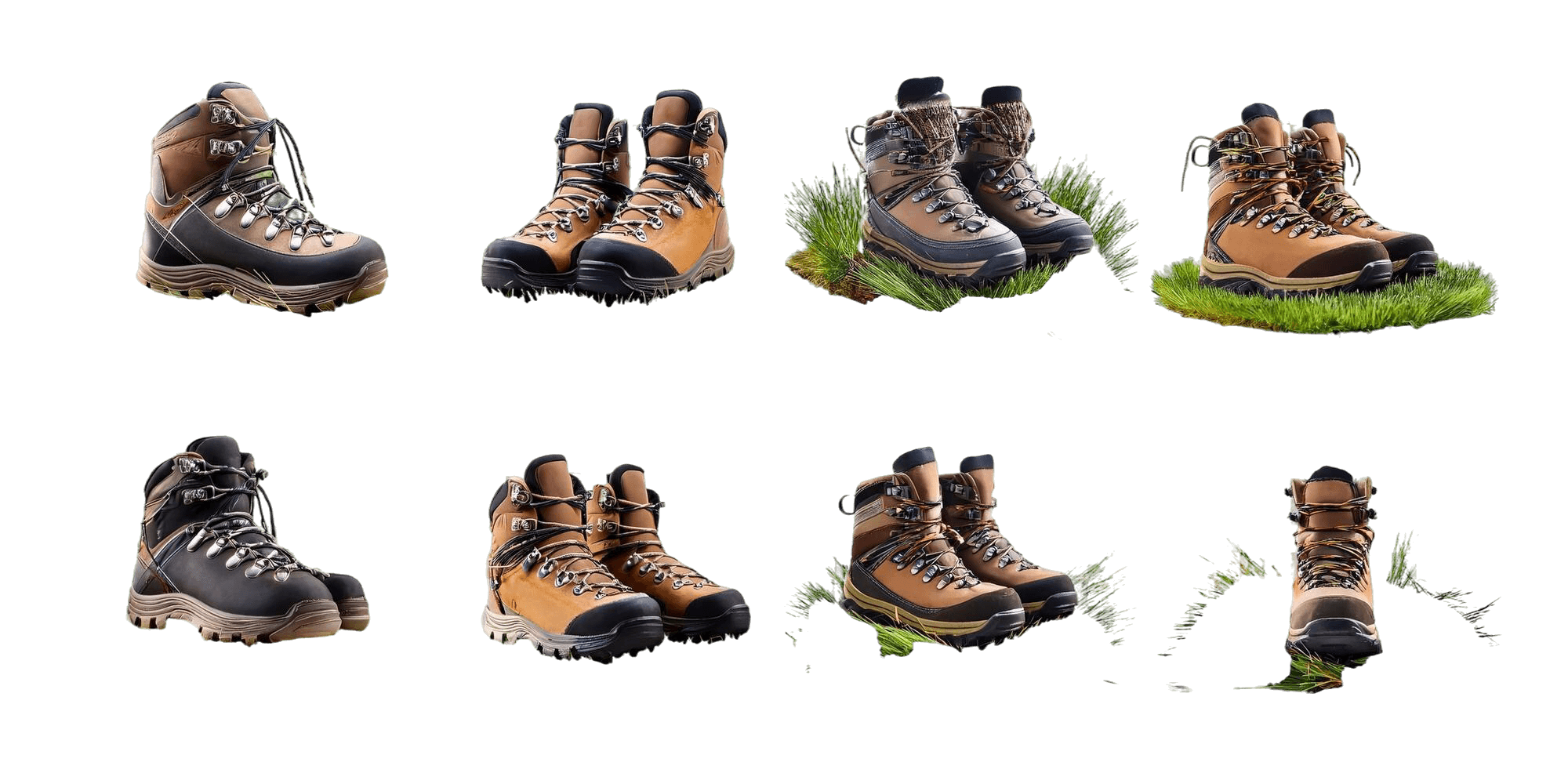
High-altitude boots
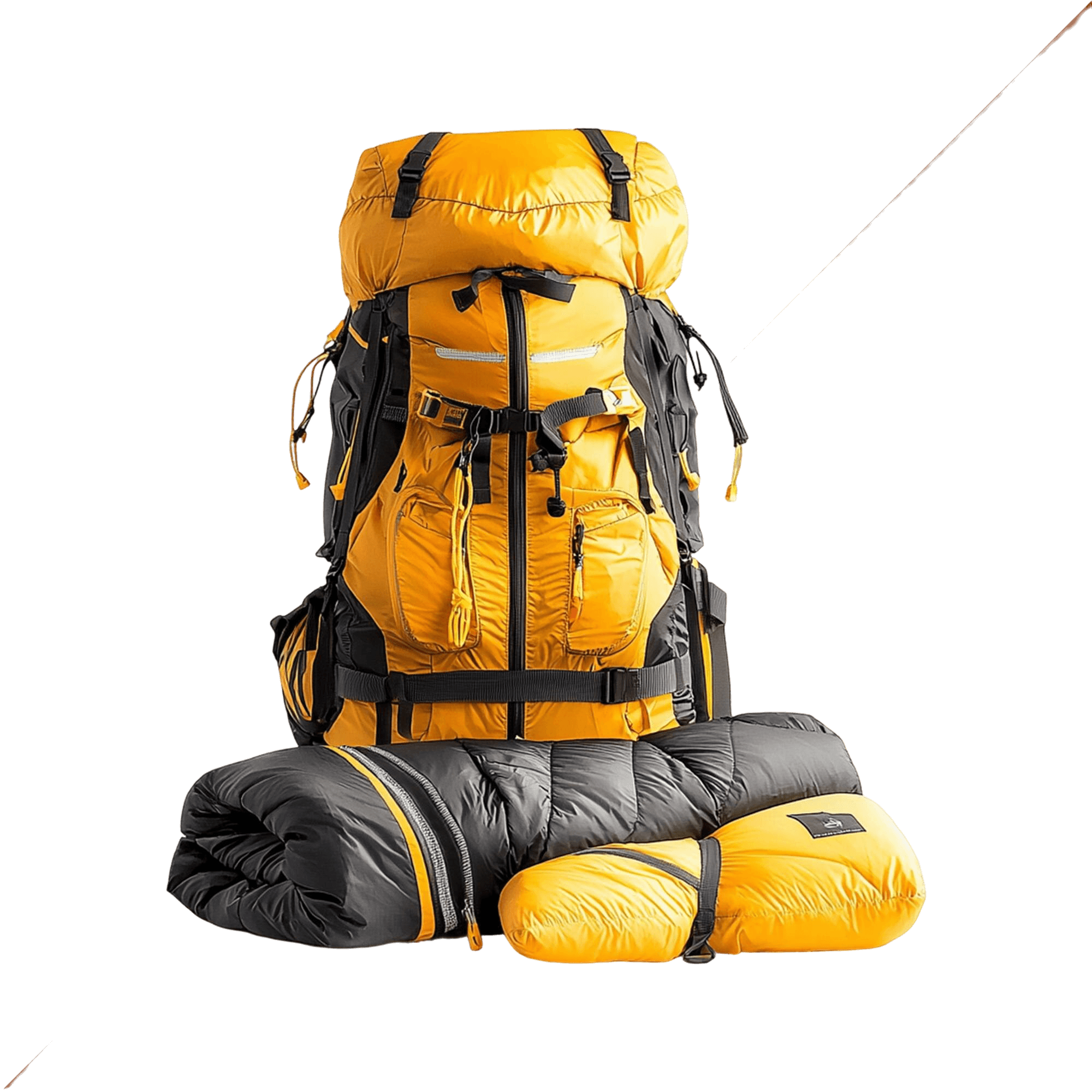
Duffel & expedition baggage

High-altitude snacks
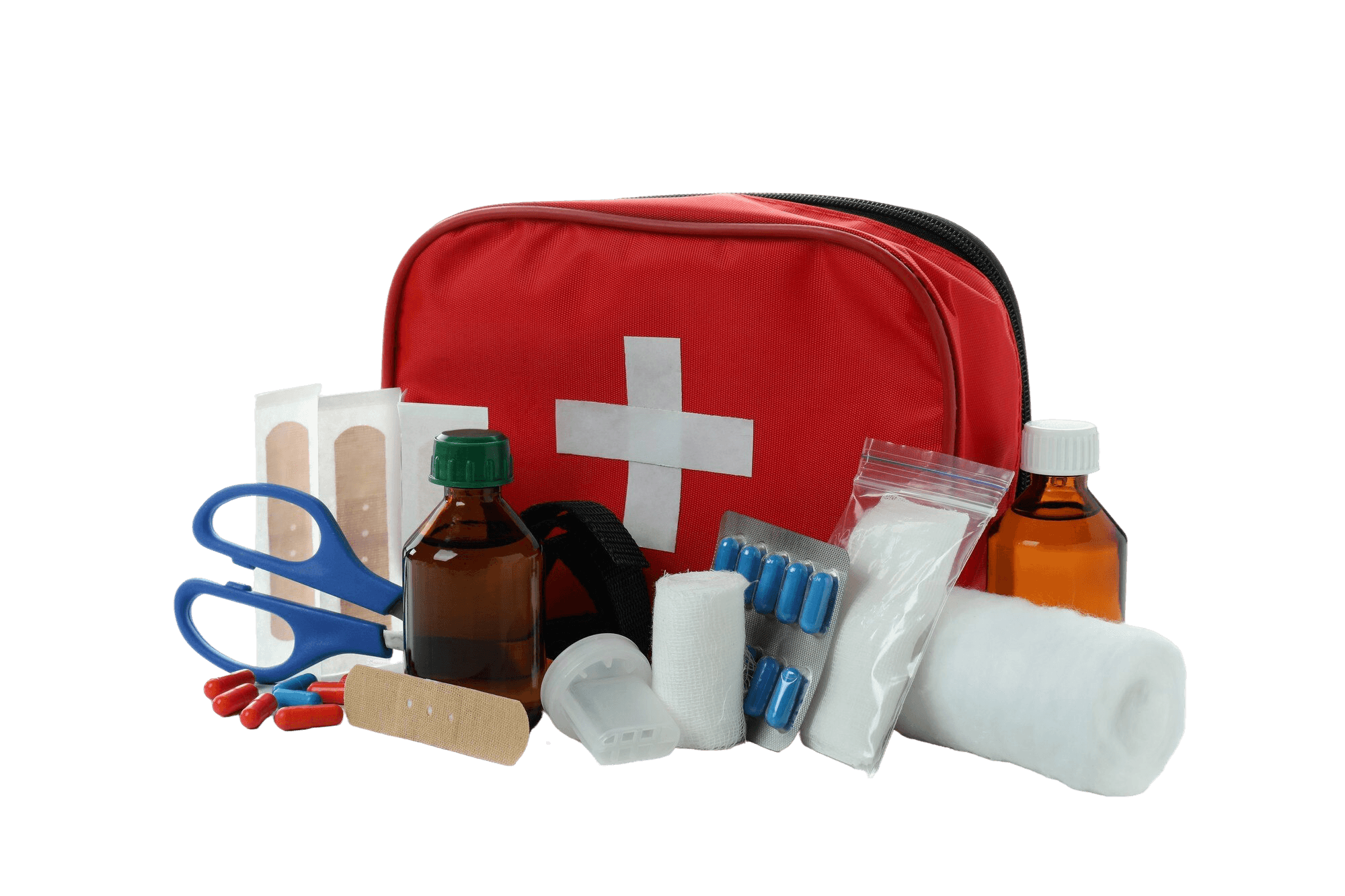
Personal medical kit
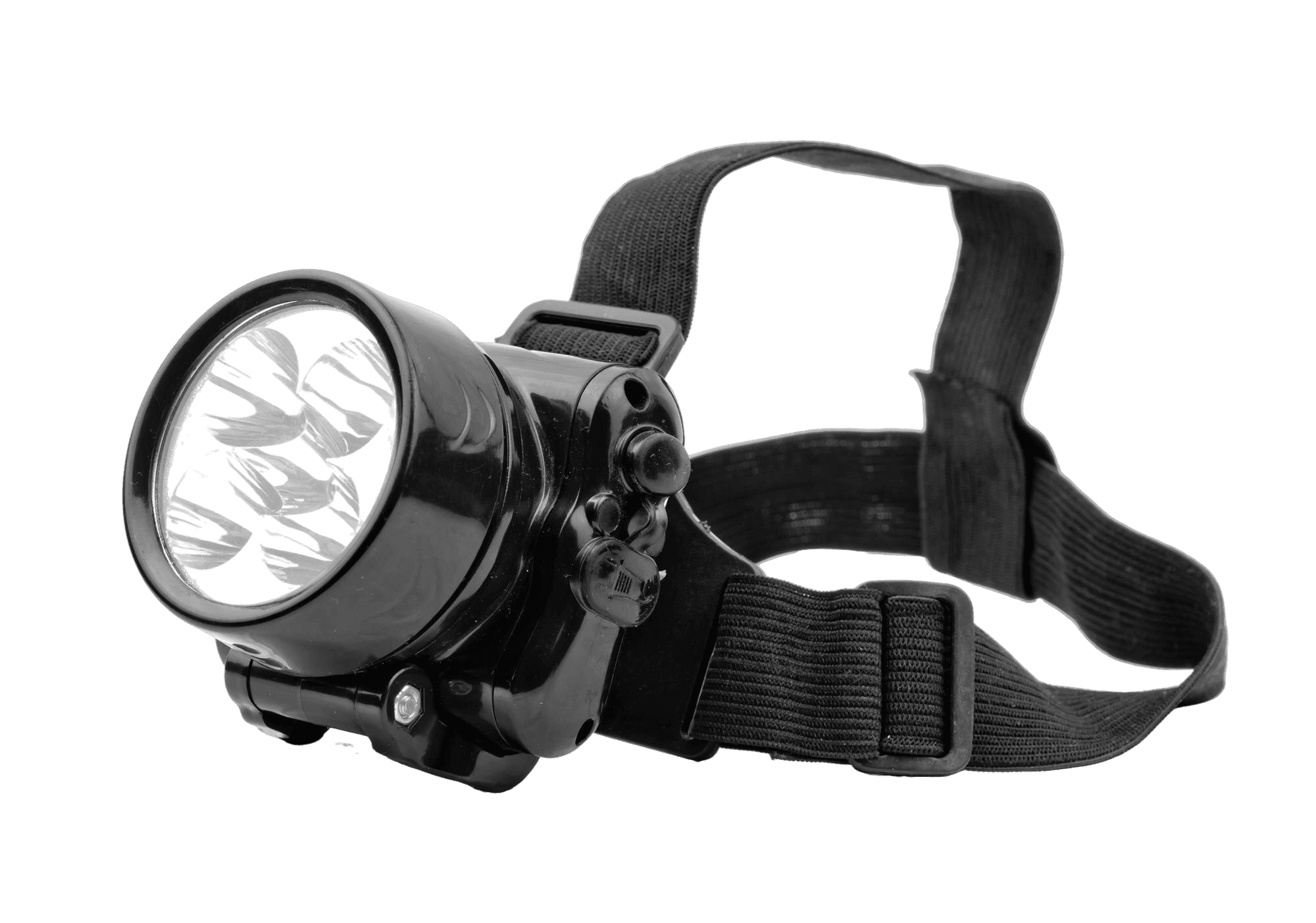
Headlamp & spare batteries
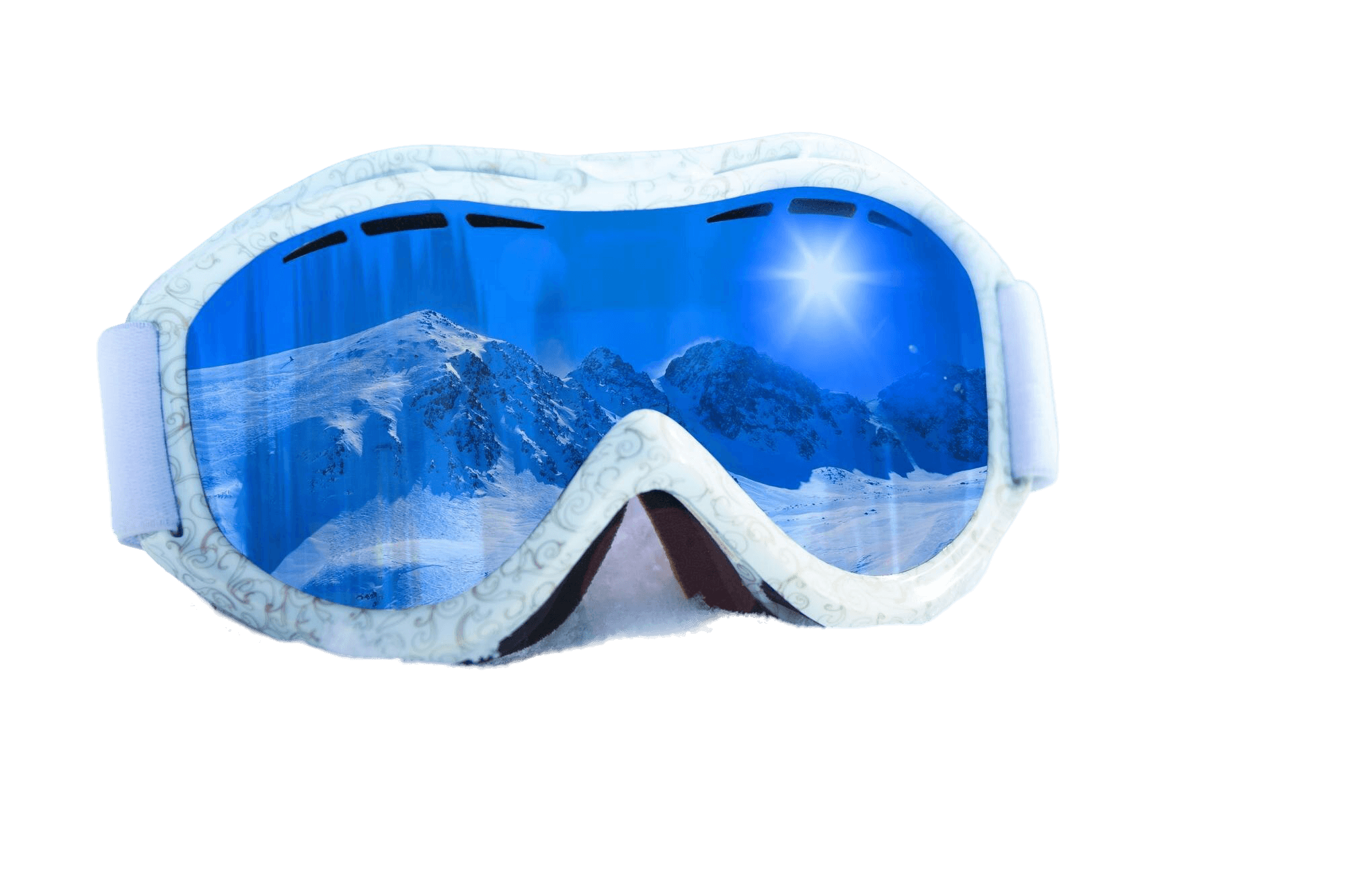
Glacier glasses & goggles
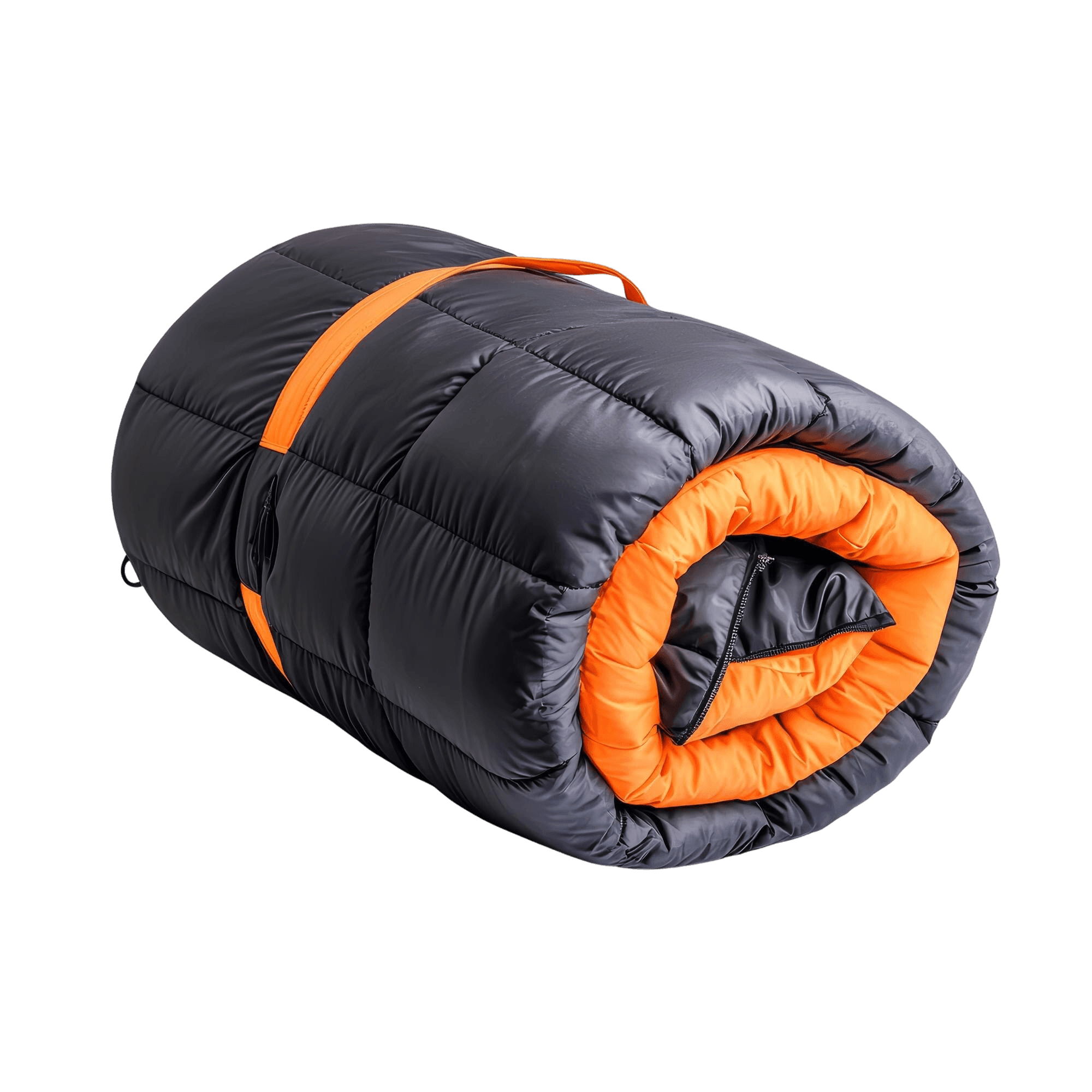
Sleeping bag (extreme cold)
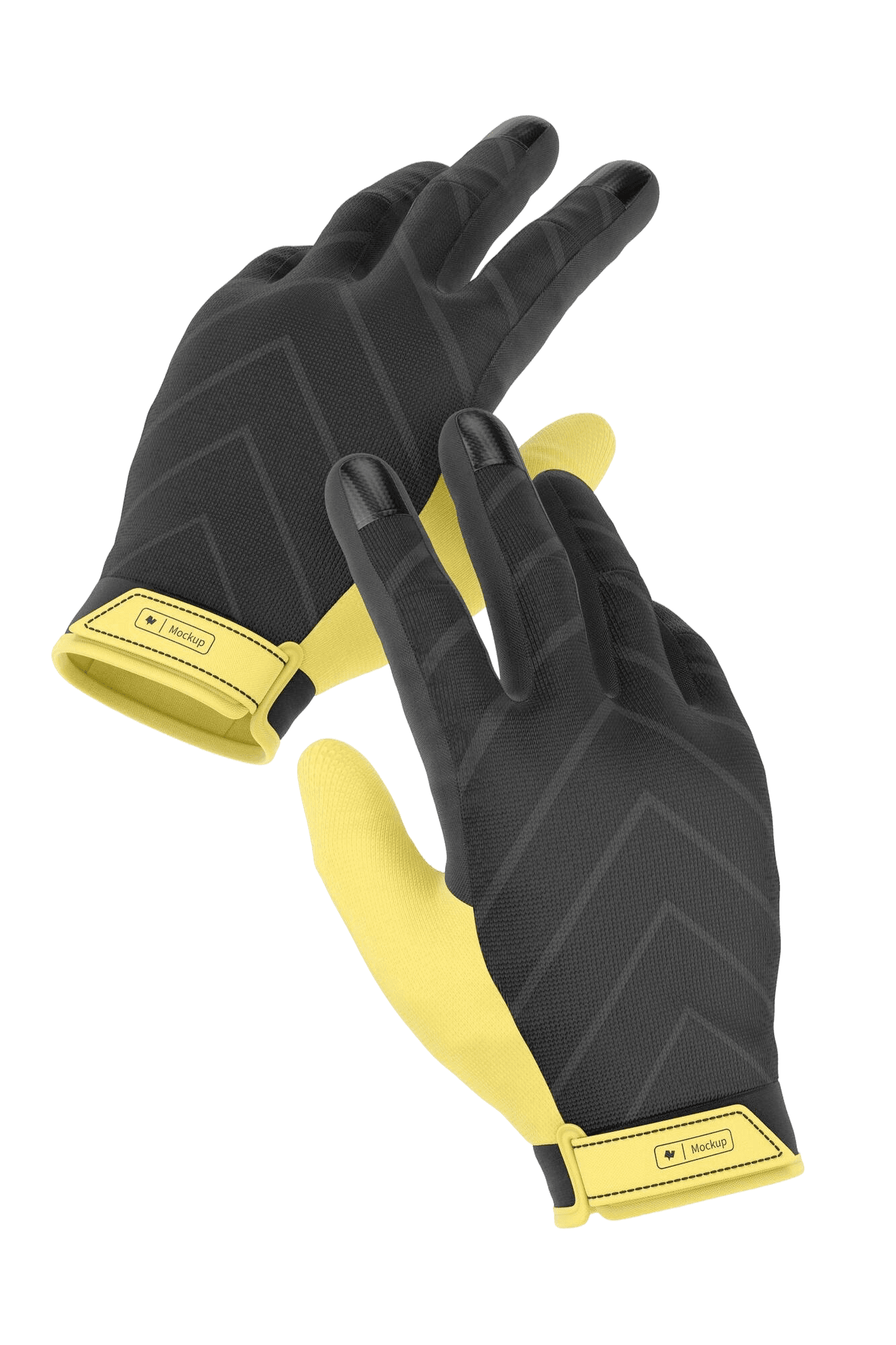
High-altitude gloves
Mitts
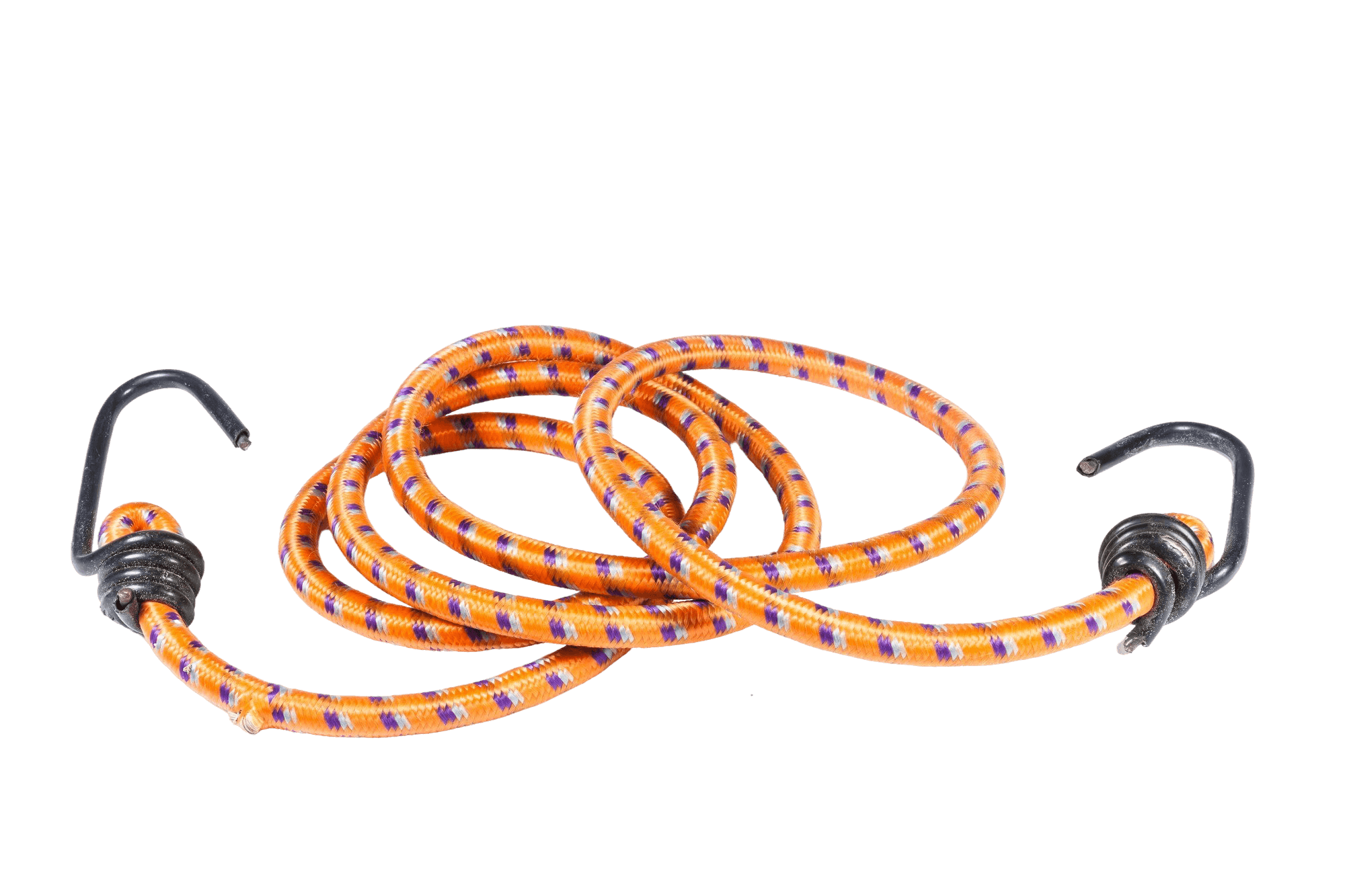
Prusik / safety cords
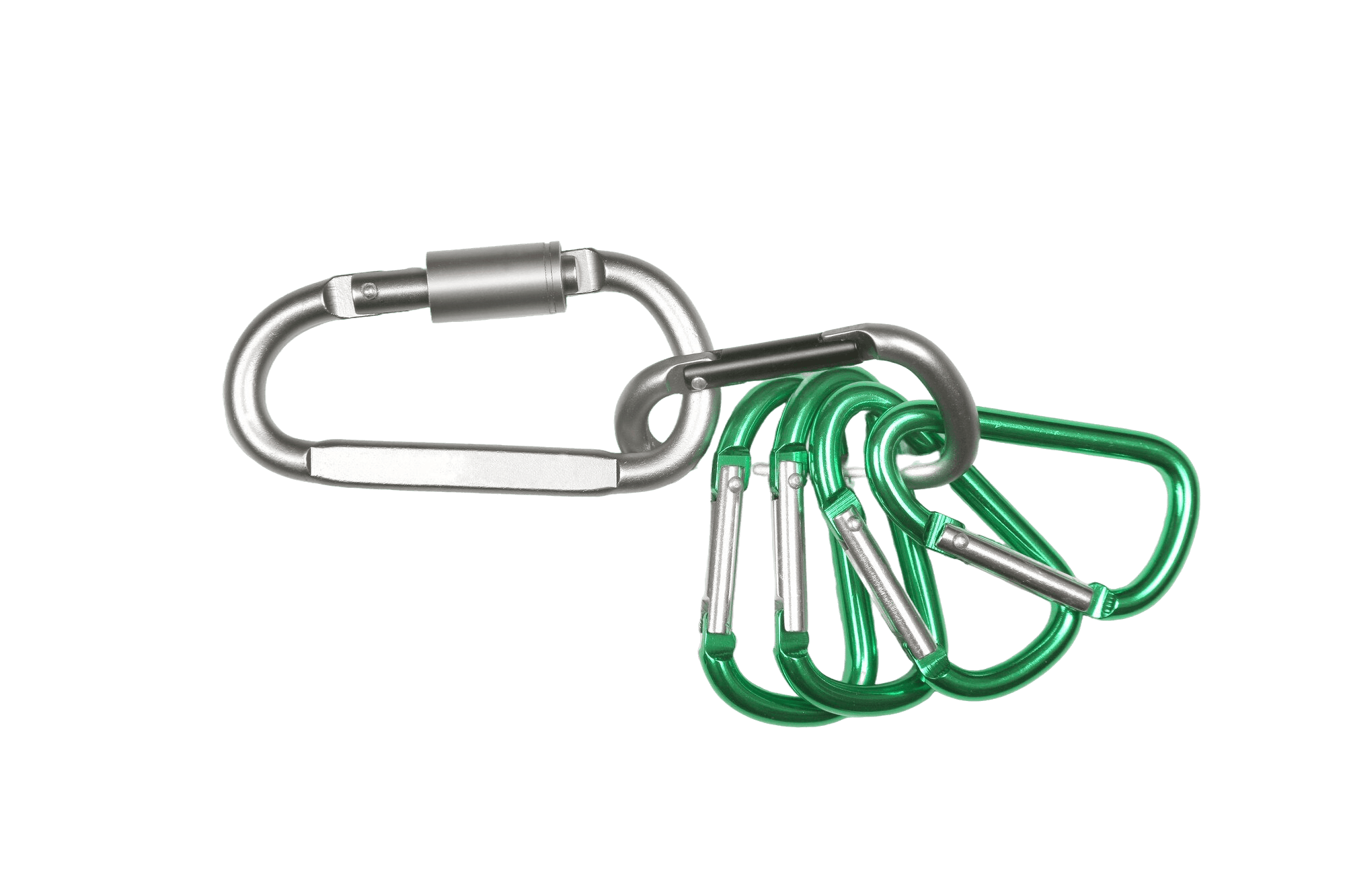
Carabiners

Rope
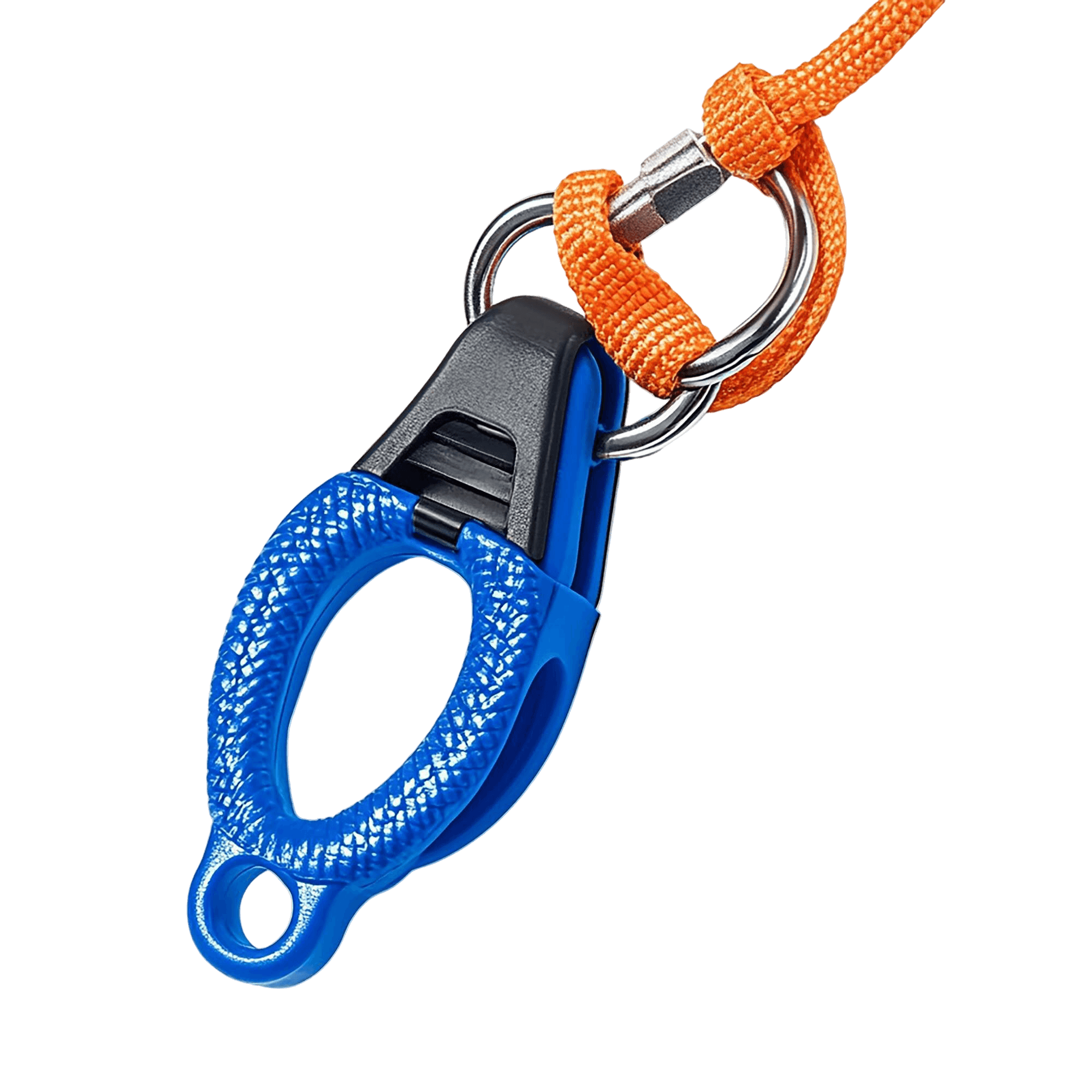
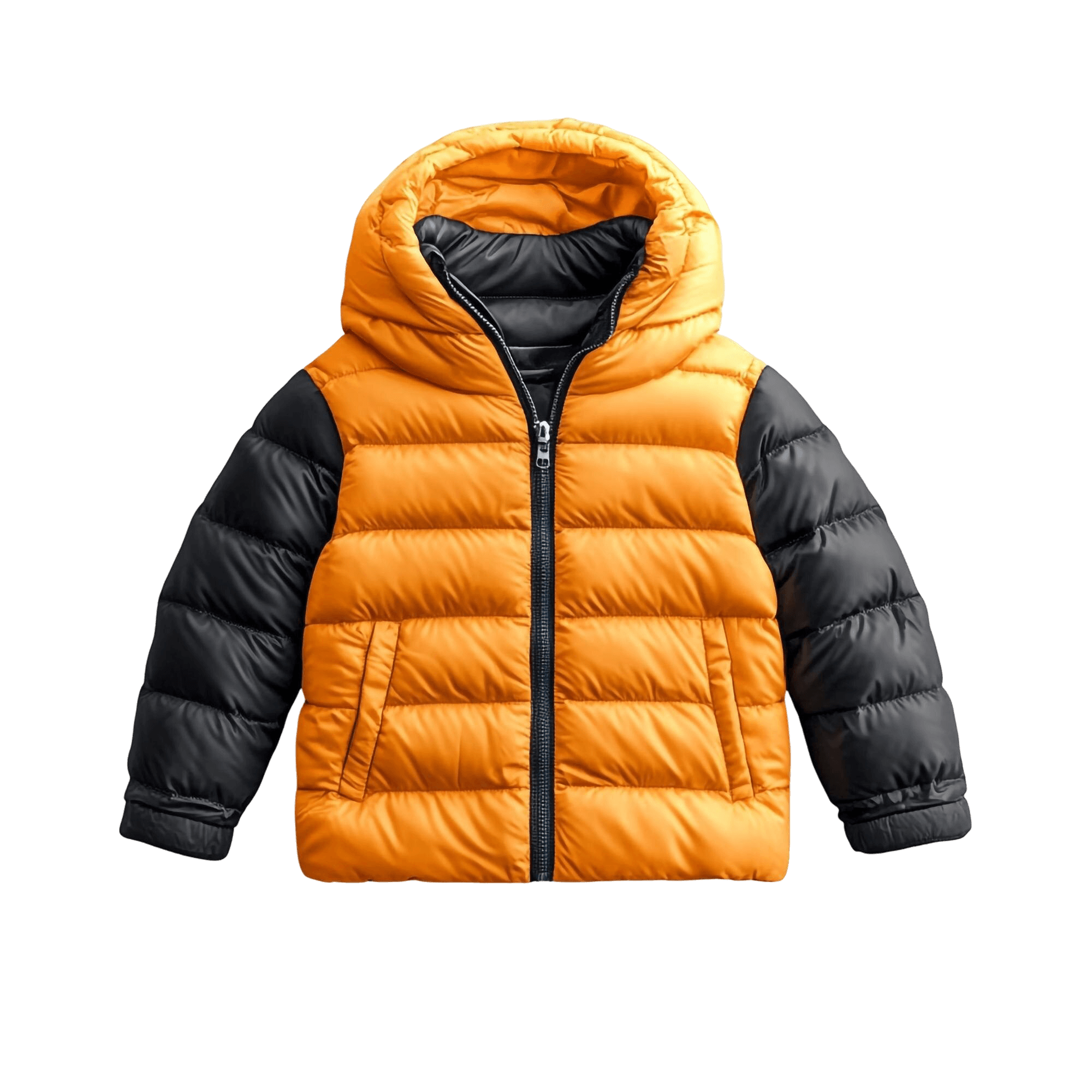
Down jacket

Helmet
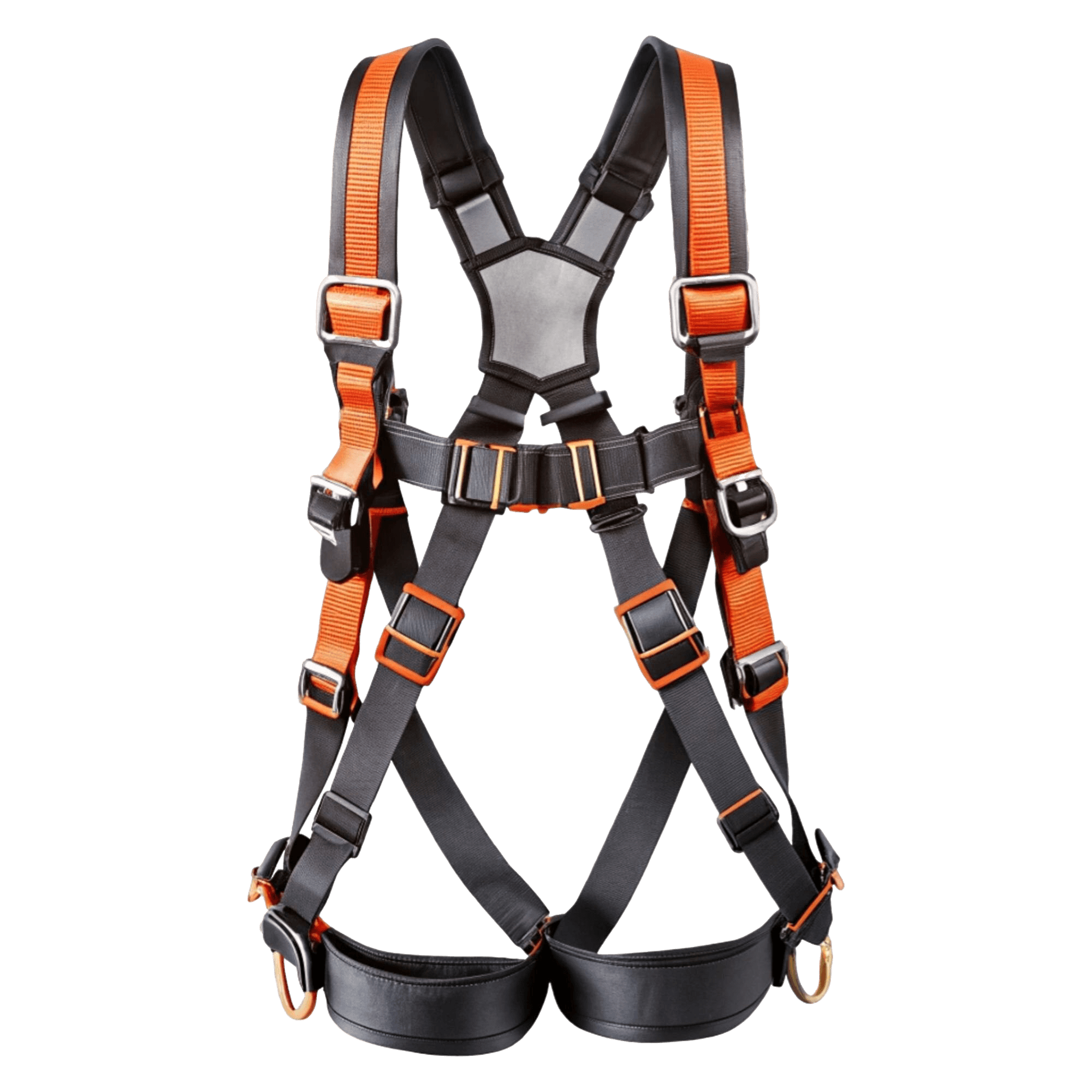
Harness
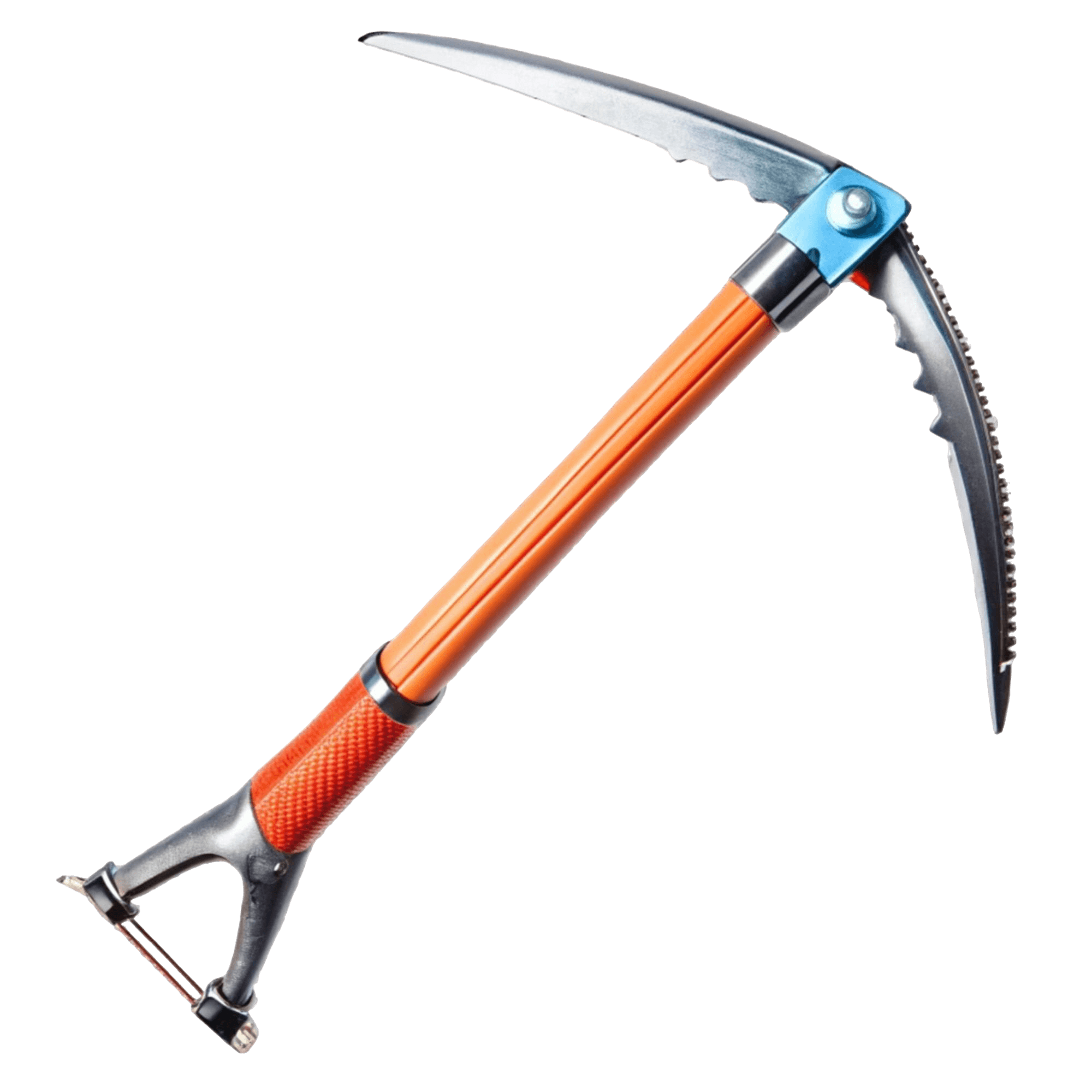
Ice axe
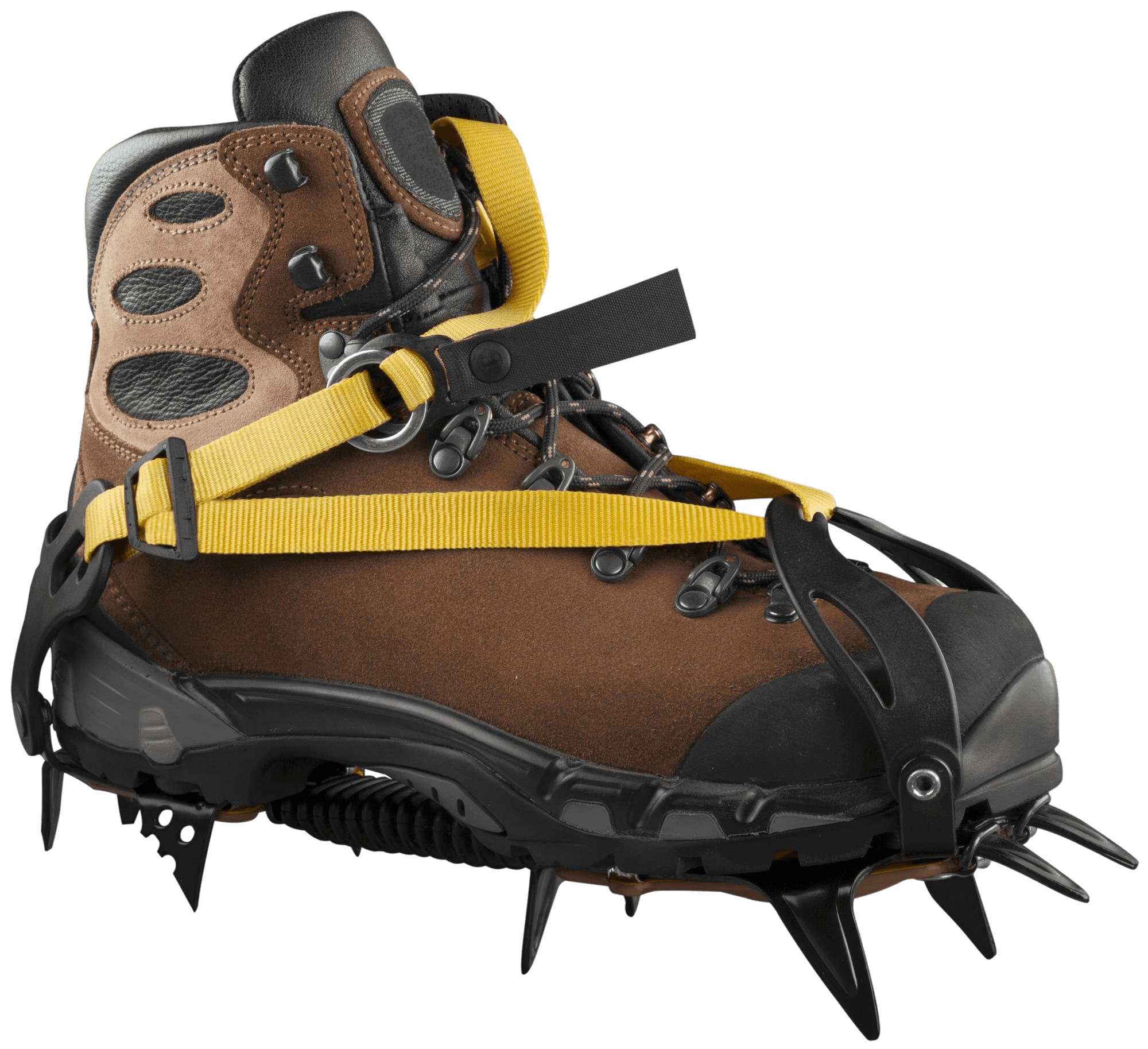
Crampons
High-altitude boots
Duffel & expedition baggage
High-altitude snacks
Personal medical kit
Headlamp & spare batteries
Glacier glasses & goggles
Sleeping bag (extreme cold)
High-altitude gloves
Mitts
Prusik / safety cords
Carabiners
Rope
Down jacket
Helmet
Harness
Ice axe
Crampons
Gear Questions to Ask Your Operator
What communication or emergency equipment is available?
What sleeping bag rating is recommended?
Is personal climbing gear rented or self-provided?
Is fixed rope and route support included?
Which technical items are provided?
Are high camp tents included?
Best Time to Climb Baruntse
Spring and autumn are the main climbing seasons for Baruntse. Operators commonly list spring and autumn as preferred expedition seasons because they are generally more suitable than monsoon or deep winter for high-altitude Himalayan climbing. Seven Summit Treks and Snowy Horizon both list spring/autumn or late spring/autumn as the main season for Baruntse.
Season Overview

Spring
Strong expedition season
Common season for Himalayan climbs
Autumn
Strong expedition season
Often valued for clearer post-monsoon visibility
Monsoon
Usually unsuitable
Rain, cloud, access issues, unstable conditions
Winter
Advanced and condition-dependent
Cold, wind, shorter days, harsher conditions
One climbing-season analysis notes that spring may involve deeper snow and more frequent showers, while autumn can offer more settled surfaces but shorter days. This is useful context, but month-by-month guidance should always be treated as general seasonal information, not a precise forecast.
Editorial Note:
Month-by-month weather content should use credible weather, climate, or expedition sources. Do not guess specific storm, snow, or wind patterns.
Baruntse vs Mera Peak
Which One Fits Your Experience

Baruntse and Mera Peak are sometimes connected because some approaches pass through the Hinku region and some climbers use Mera Peak as preparation before higher objectives. However, they are very different climbs.
Mera Peak is often used as a first Himalayan summit goal for fit trekkers, while Baruntse is better understood as a larger expedition objective requiring more technical readiness, time, and risk management.
Compare Baruntse vs Mera PeakCommon Mistakes Climbers Make Before Baruntse
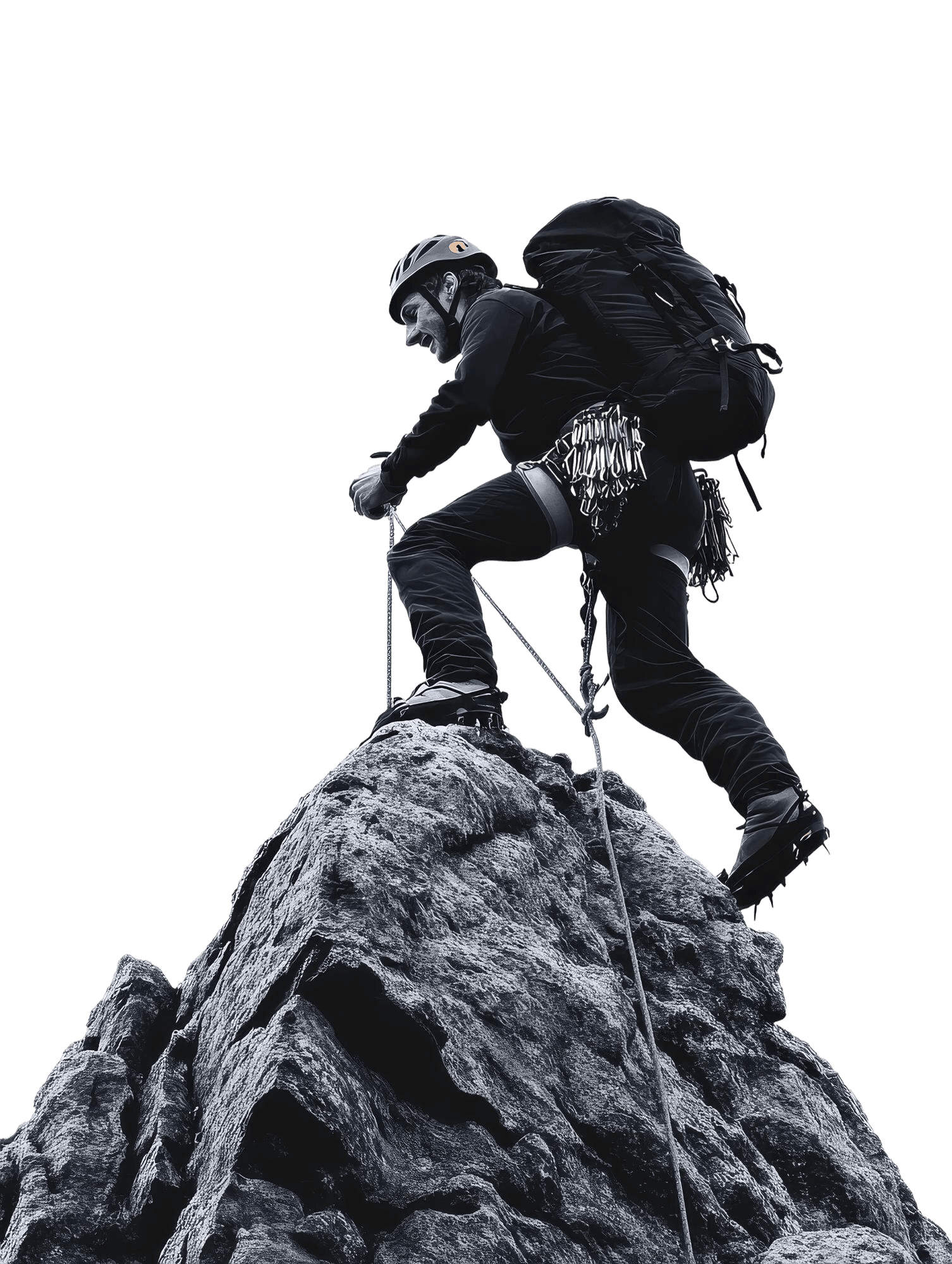
Many Baruntse problems begin before the expedition starts. The biggest mistake is treating Baruntse like a longer trek or a simple extension of a 6,000m peak. It is a 7,000m expedition that requires preparation, time, technical confidence, and serious safety planning.
Avoid These Mistakes
Treating Baruntse like a trekking peak
Underestimating 7,000m altitude
Skipping previous 6,000m experience
Ignoring technical skill preparation
Choosing an itinerary with poor acclimatization
Arriving with untested expedition gear
Not checking rescue and evacuation insurance
Not understanding fixed rope and crevasse risk
Not allowing enough weather contingency
Choosing an operator without reviewing safety systems
Responsible Climbing
on Baruntse
Baruntse lies in a remote mountain environment where expedition decisions affect local communities, guides, porters, climbing staff, and fragile alpine landscapes. Responsible climbing means thinking beyond the summit.
Responsible Expedition Principles
Respect local communities and cultural sites
Reduce plastic waste
Follow waste-management rules
Confirm staff insurance and fair support
Respect porter load limits and welfare
Use responsible base camp practices
Follow guide and route safety instructions
Avoid unnecessary risk-taking for summit pressure
Support operators who prioritize staff safety and environmental responsibility
Baruntse Expedition FAQs

Still Researching
Baruntse

If you are comparing routes, difficulty, expedition duration, permits, gear, safety, or preparation requirements, you can send a question. We will point you toward the right information before you choose any expedition plan.
Ask a Baruntse QuestionSome resources may link to travel-planning partners where climbers can compare expedition options or request tailored offers from verified agencies. This website remains an informational resource first.